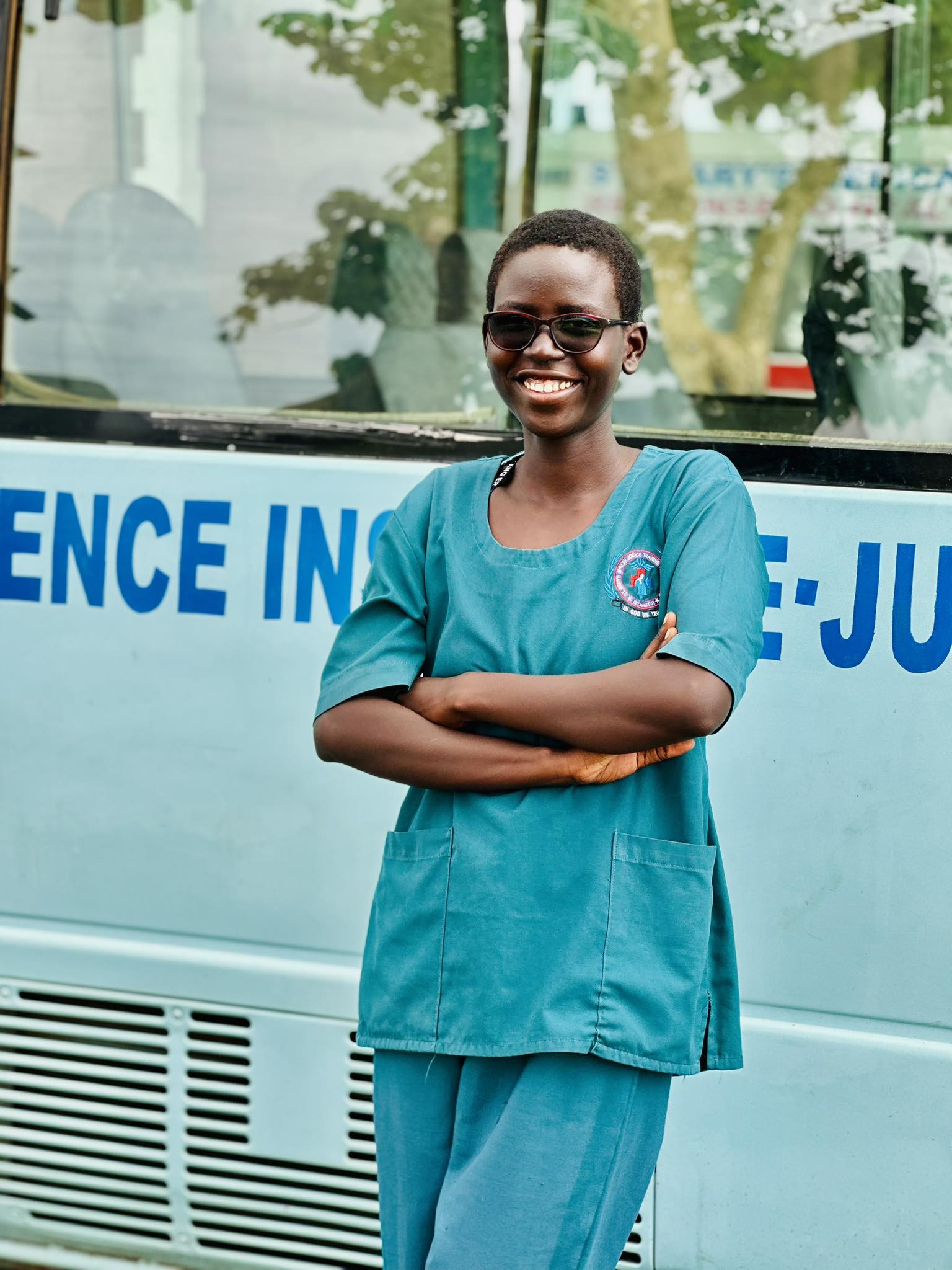
For 15 years, St. Mary's HSTIJ has trained nurses, midwives, and community health workers — building the clinical workforce South Sudan needs, one graduate at a time.
St. Mary's Health Science Training Institute Juba was established in 2010 as the first independent health science training institute in South Sudan — a country where 2,054 women die per 100,000 births and fewer than 600 doctors serve 12 million people.
From 40 students in a borrowed classroom, the institute has grown into the nation's largest trainer of medical personnel. Today, our graduates staff hospitals, clinics, and community health posts across every state in South Sudan.
Our digital platform takes this proven foundation online — making accredited courses accessible beyond Juba's walls and giving international partners full transparency into where their support goes.
Established as South Sudan's first independent health science training institute, enrolling the inaugural cohort of nurses and midwives.
First cohorts complete national licensing examinations with a 100% pass rate — a record that has been maintained ever since.
Programs expanded from Nursing & Midwifery to Clinical Medicine, Pharmacy, Medical Laboratory, Nutrition, Anesthesia, and Theater Technology.
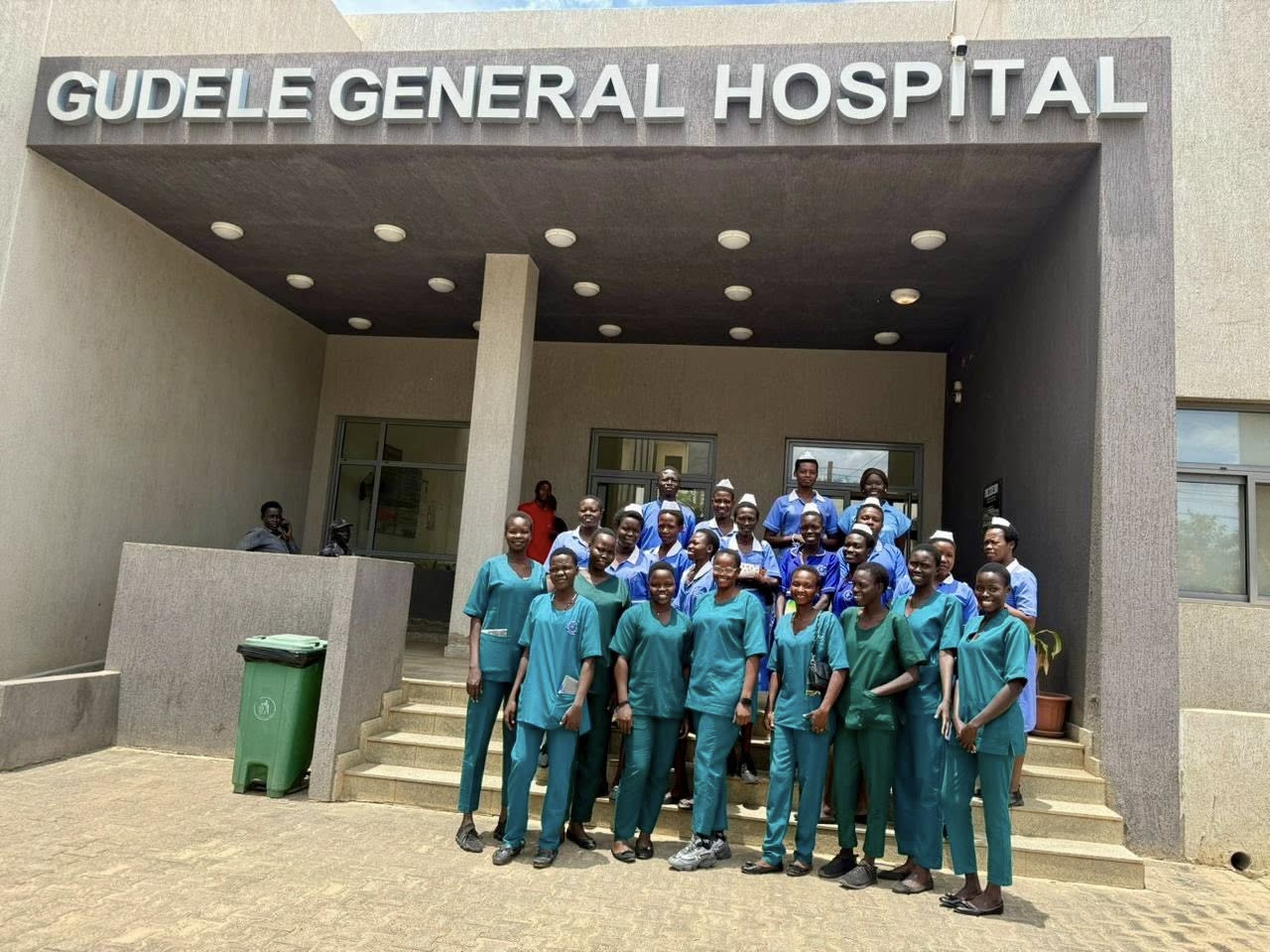
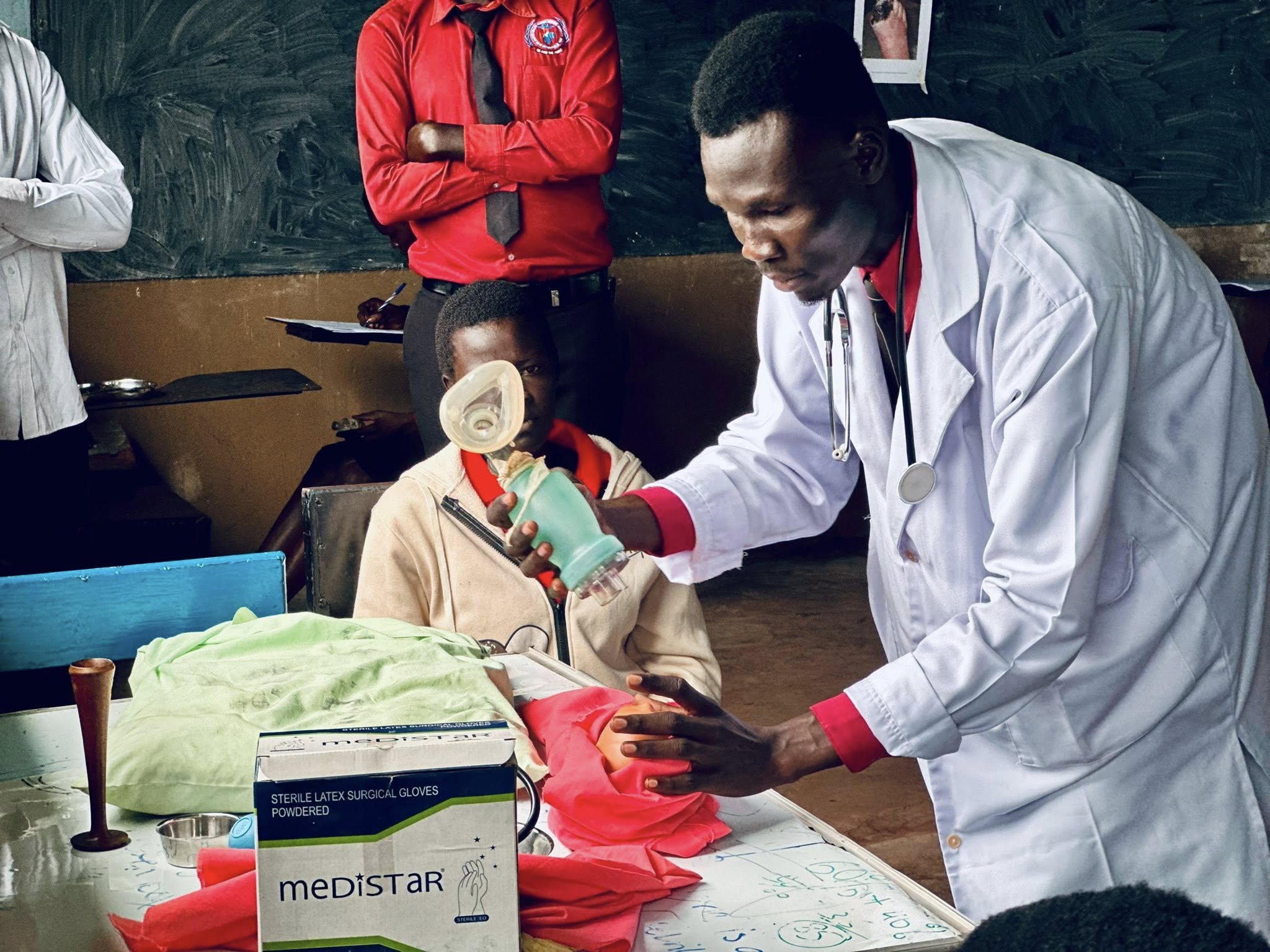
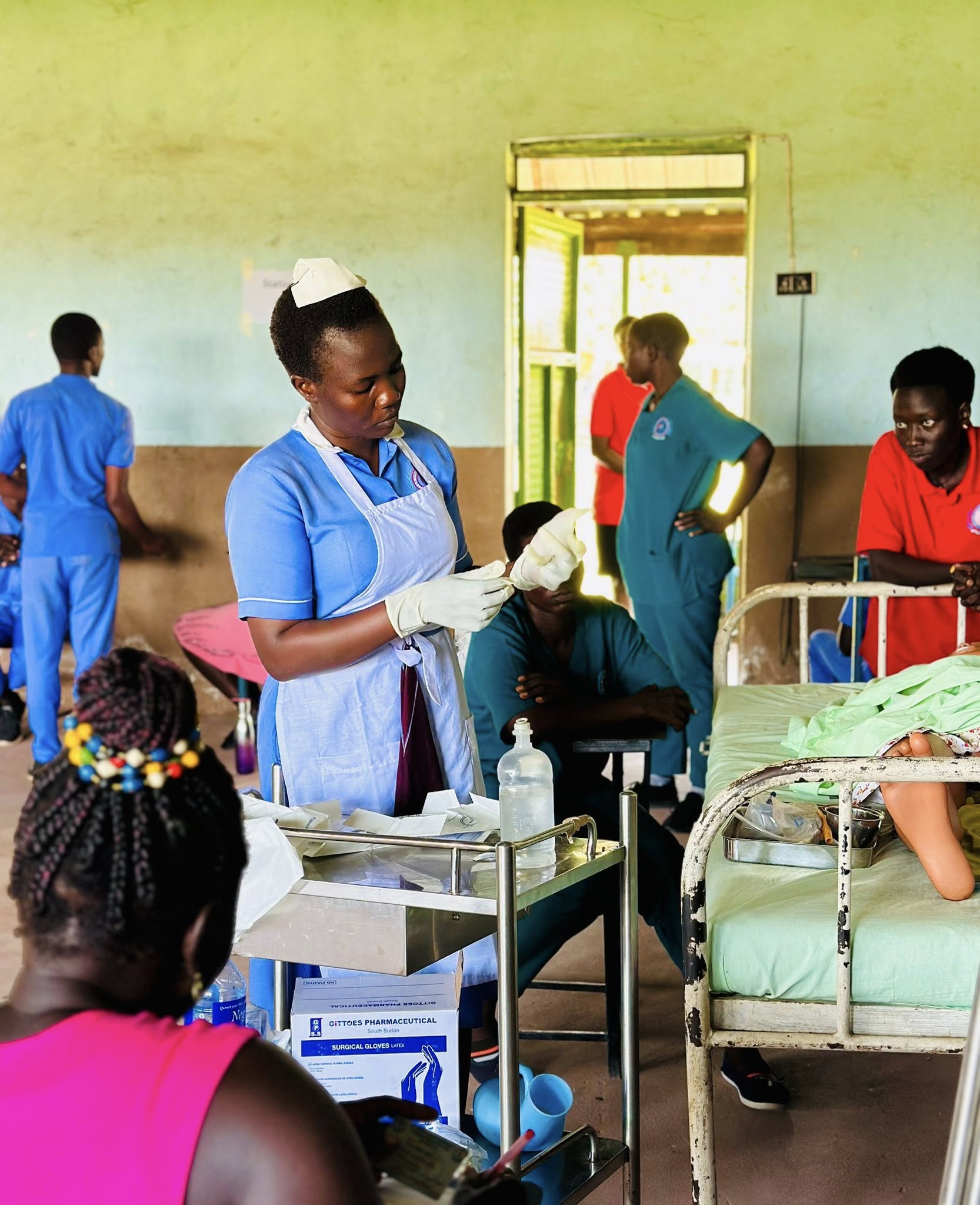
Formalized clinical training partnerships with Gudele General Hospital and regional health facilities, giving students real-ward experience.
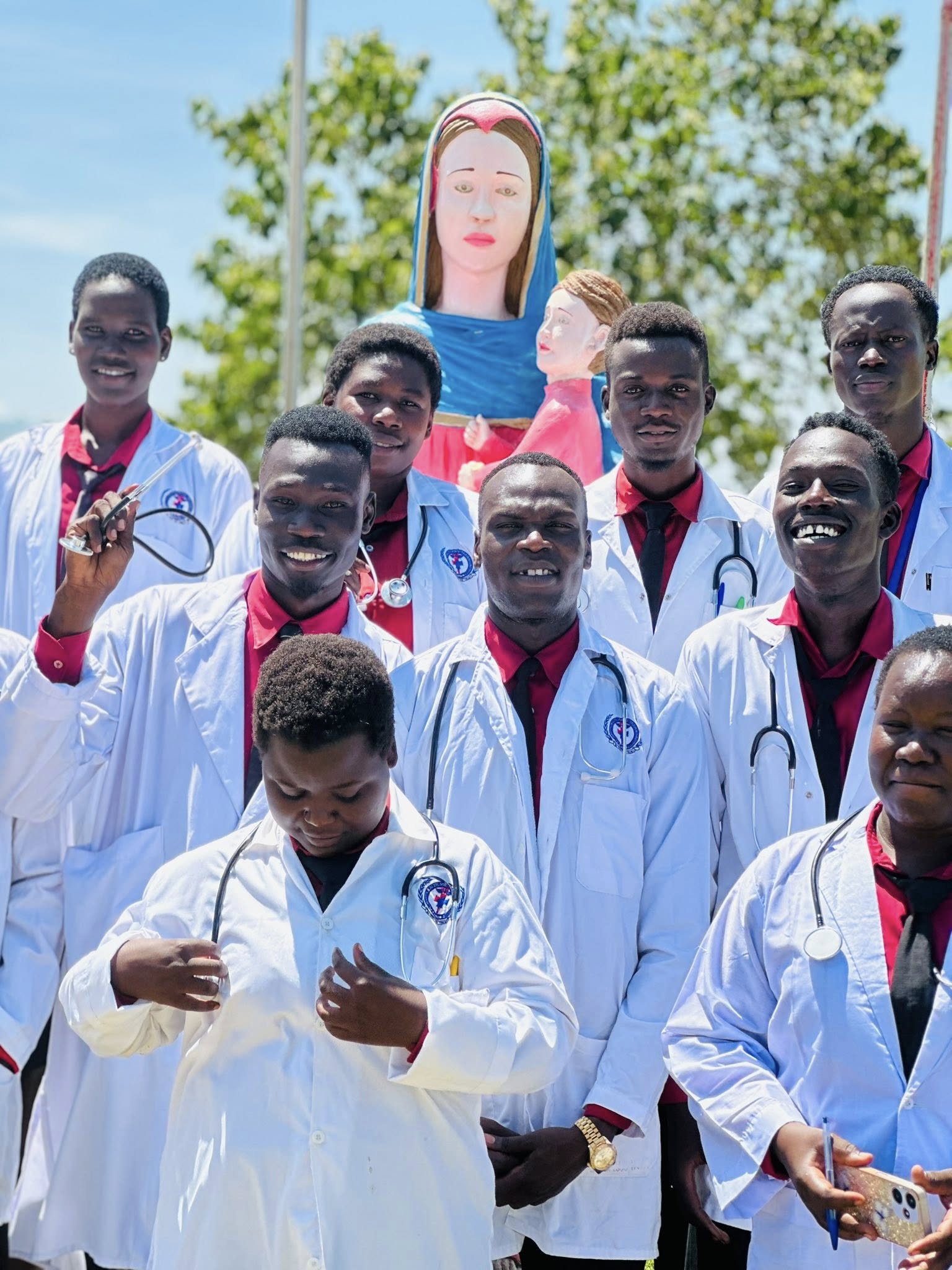
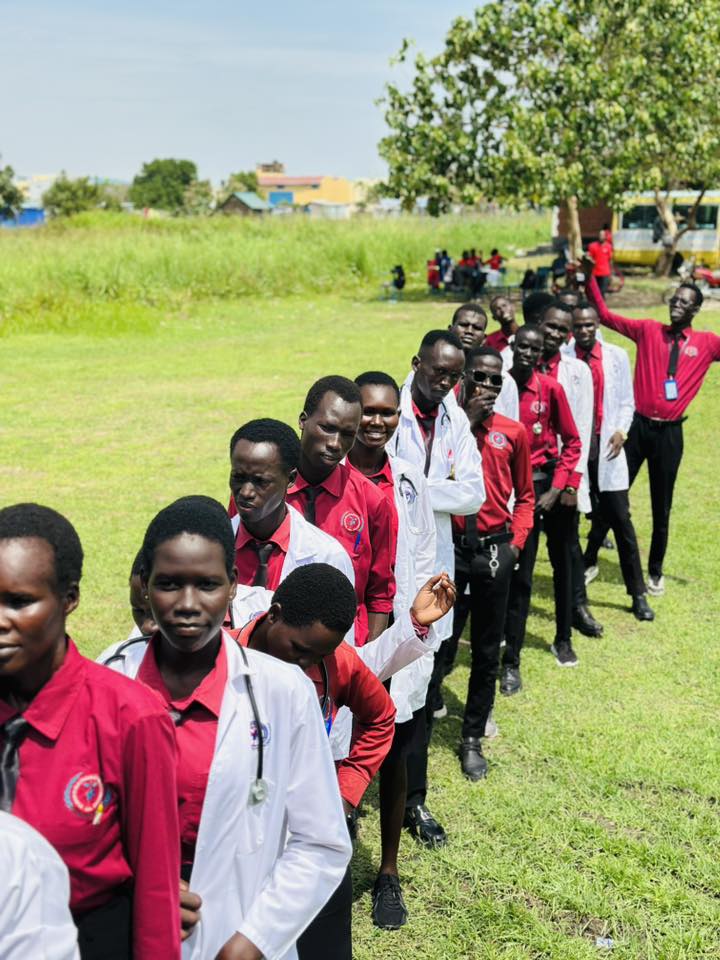
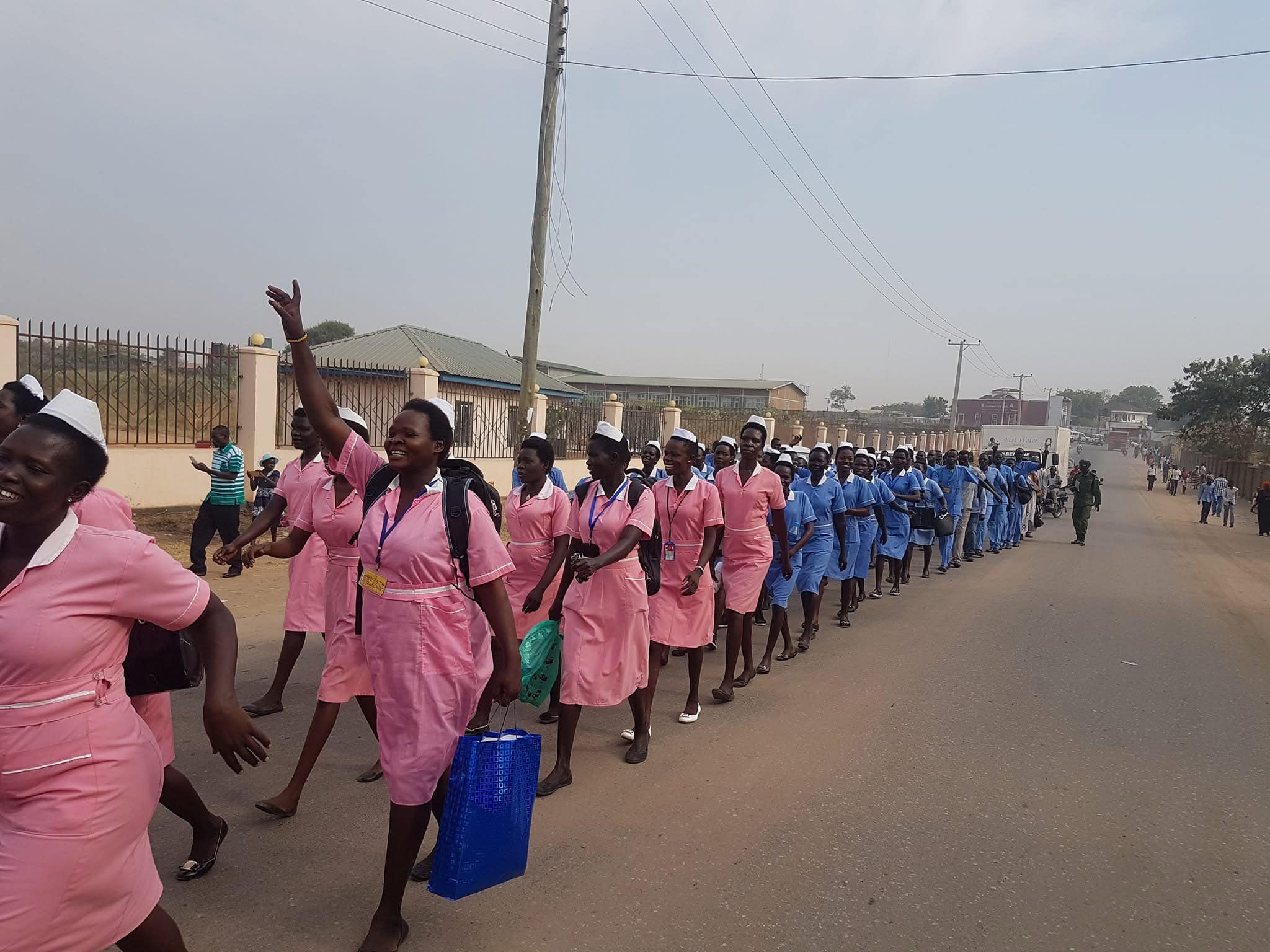
Largest single graduation ceremony in the institute's history — 149 health professionals entering South Sudan's workforce in one cohort.
Digital platform launched at stmaryshstij.courses, bringing accredited coursework online and opening the institute to international partners and students.
Diploma and certificate programs aligned with South Sudan's national healthcare workforce needs.
3-year program training registered nurses for clinical roles in hospitals and community health facilities.
View program →Specialized training in maternal and newborn care, directly addressing South Sudan's maternal mortality crisis.
View program →Comprehensive clinical medicine and public health training for deployment across all healthcare settings.
View program →Pharmaceutical sciences and dispensing practice training for South Sudan's essential medicines programme.
View program →Diagnostic laboratory skills for blood banking, microbiology, haematology, and clinical chemistry.
View program →Addressing South Sudan's acute malnutrition burden through evidence-based nutrition practice training.
View program →Training anaesthesia technicians to support surgical capacity at district and referral hospitals.
View program →Perioperative care and surgical support training for operating theatre environments.
View program →Medical English proficiency for health science students, enabling access to international literature and global partnerships.
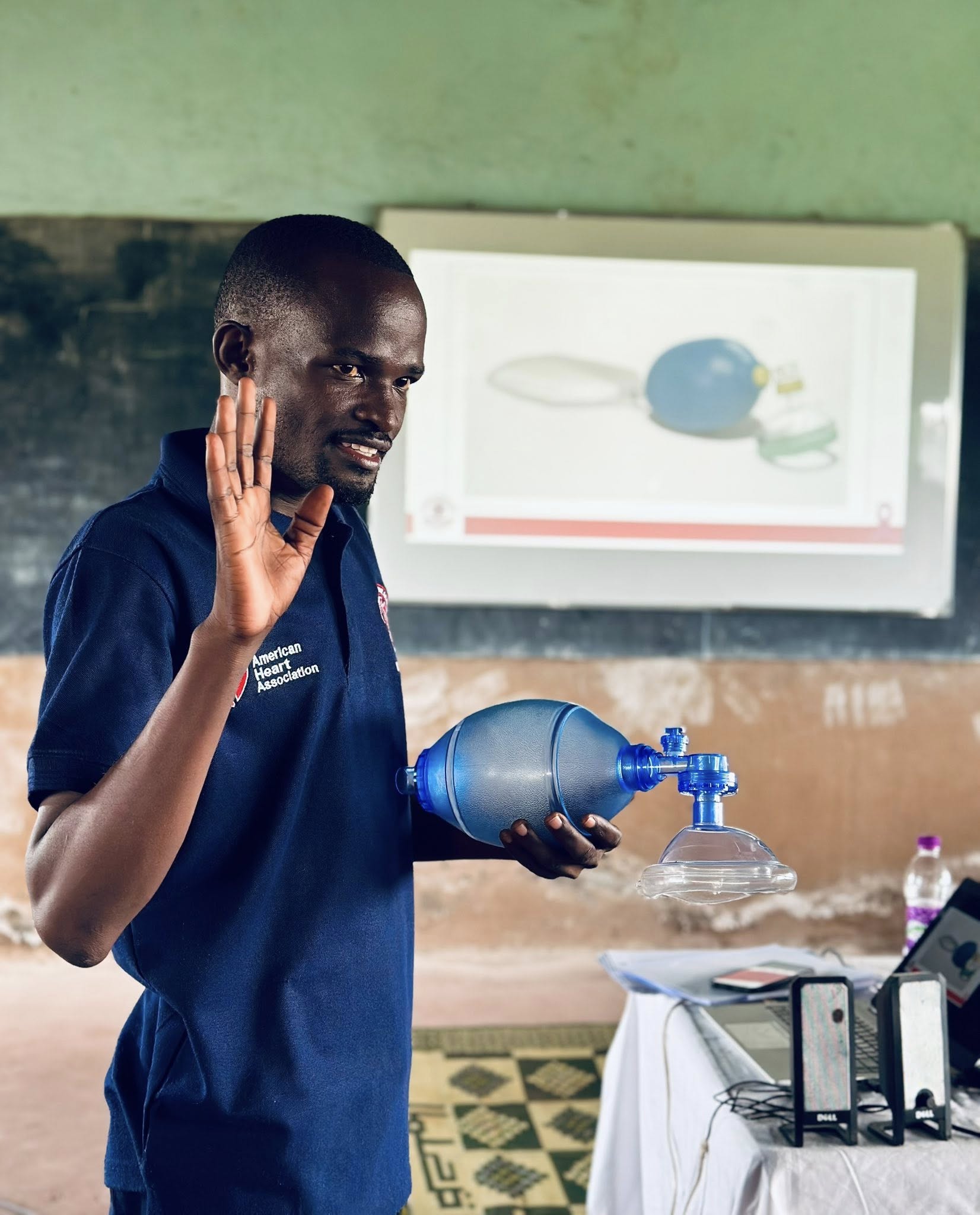
View program →American Heart Association-aligned BLS certification for healthcare workers at all levels of the system.
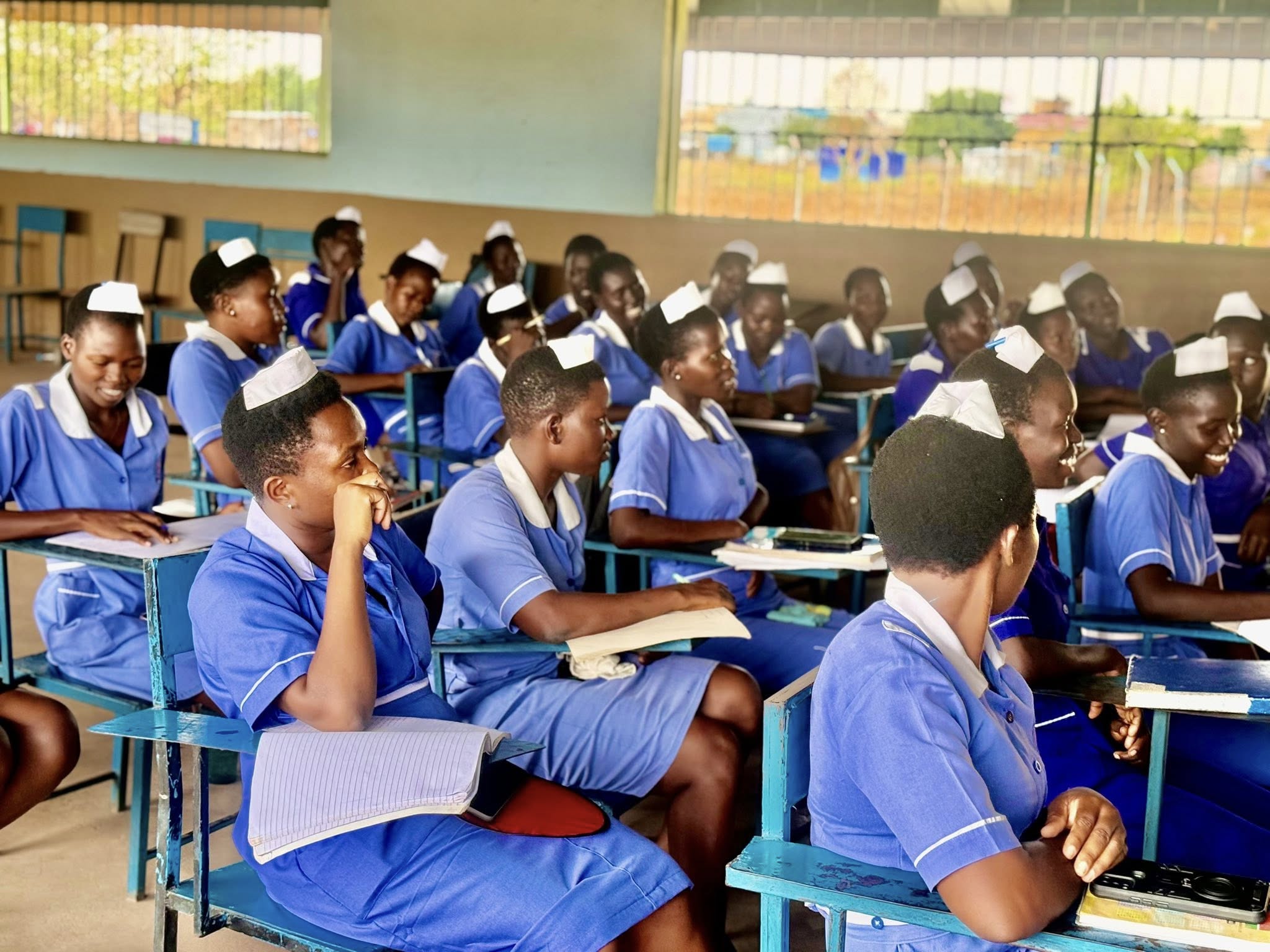
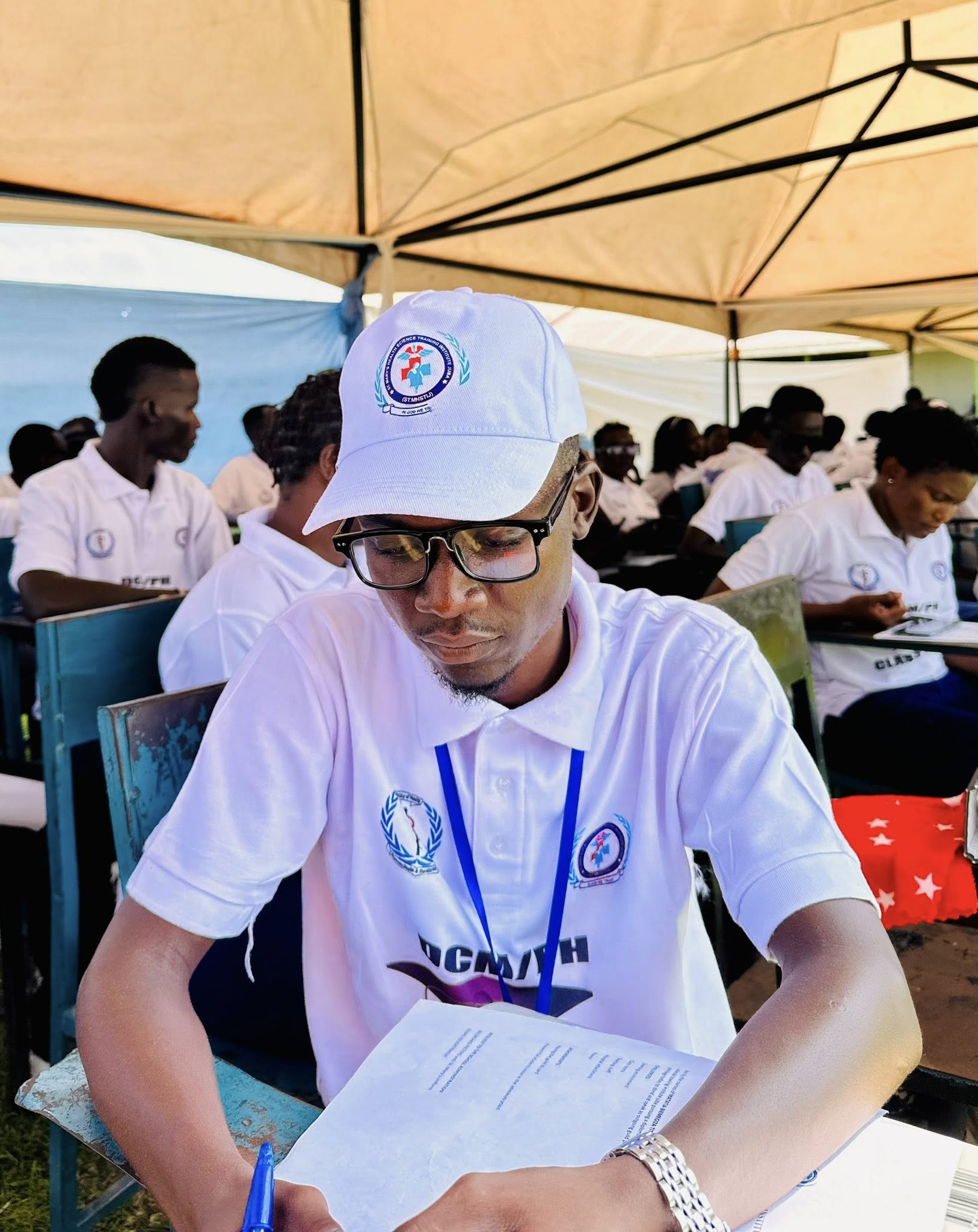
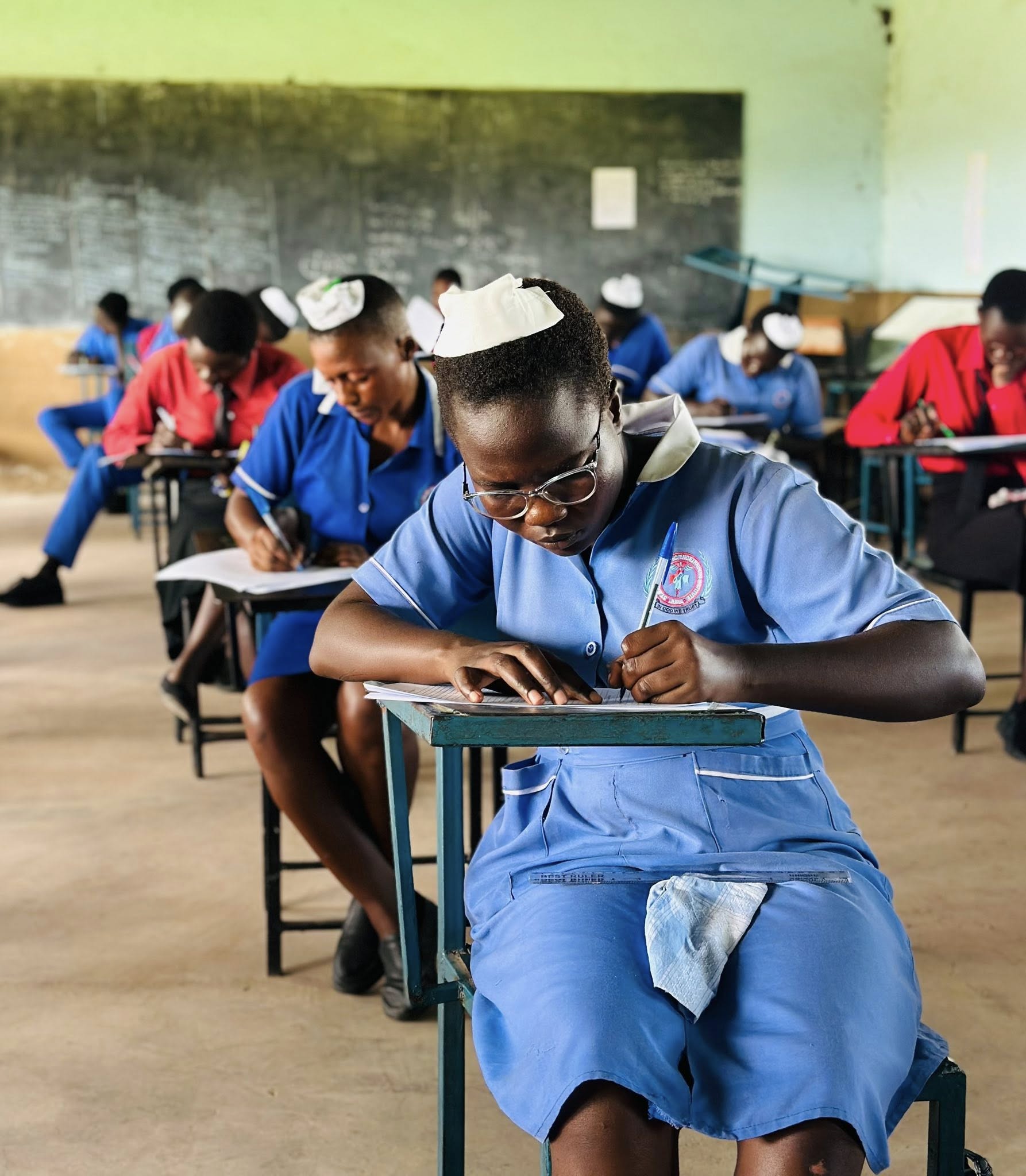
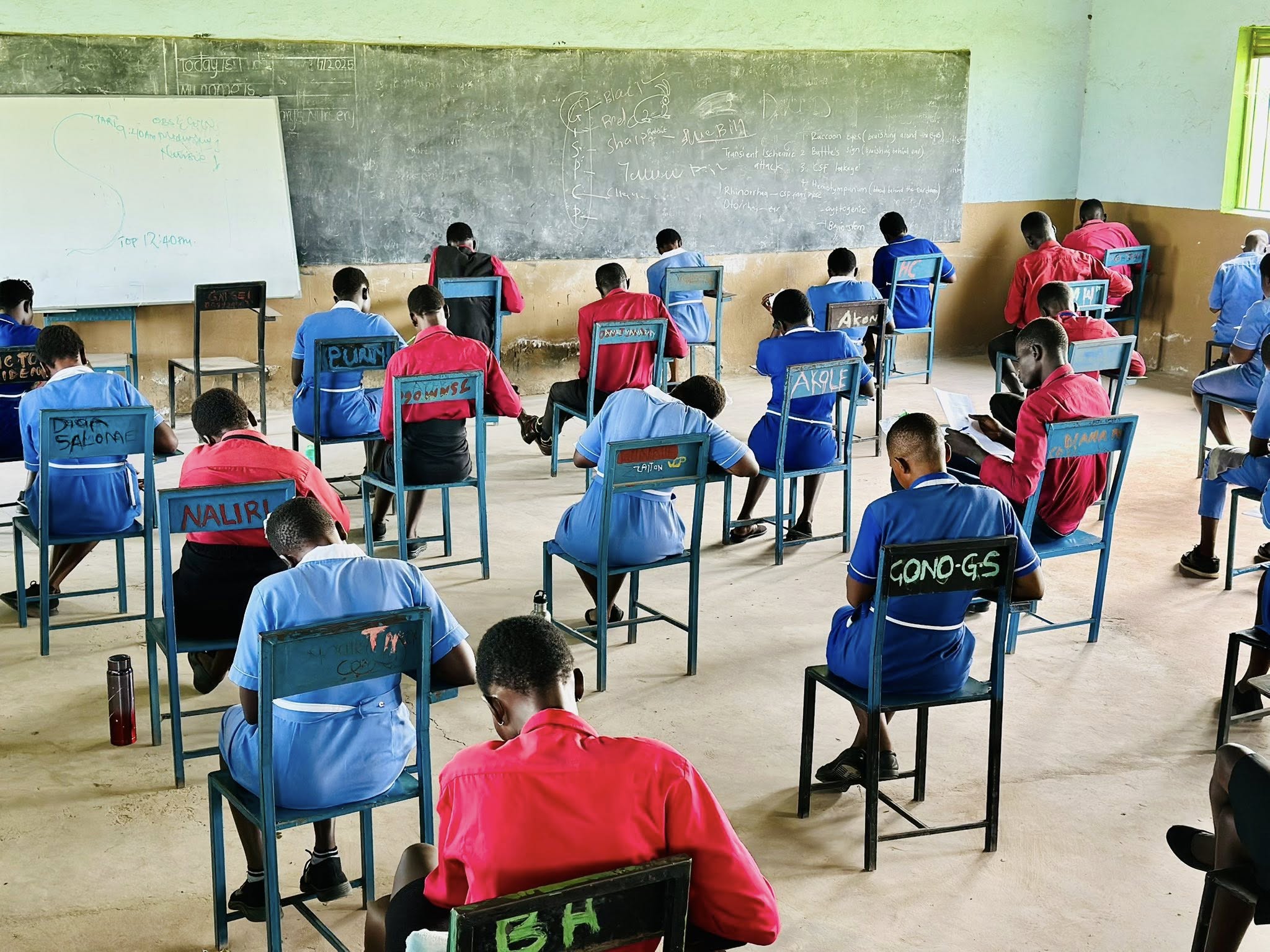
View program →Classrooms, clinical training, graduation ceremonies, and campus life — South Sudan's next generation of healthcare workers.
St. Mary's HSTIJ is actively seeking partners who share our mission — to close South Sudan's healthcare workforce gap through quality training. We welcome conversations with universities, NGOs, health ministries, and funders of all types.
Our track record is transparent and verifiable: every graduate is documented, every exam result is on file, and every clinical placement is auditable. We invite any prospective partner to review our records before committing.
Joint degree programmes, faculty exchanges, and accreditation partnerships with medical schools and nursing faculties worldwide. We offer a unique field placement environment that no developed-country campus can replicate.
International medical and nursing students seeking global clinical rotations can embed with our cohorts at Gudele General Hospital and affiliated facilities. Fully supervised, culturally immersive, professionally transformative.
Joint research on maternal health outcomes, infectious disease, community health worker effectiveness, and healthcare training impact in conflict-affected and low-resource settings.
Equipment grants, scholarship funds, infrastructure investment, and operational funding are all welcome. 100% of student fees and donor funds are reinvested into training capacity. Full financial reporting provided to all funders.
Whether you're a prospective student, healthcare NGO, university partner, or funder — we'd like to hear from you. Our admissions and administration team is available Monday through Saturday.